Table Of Content

This class teaches the fundamental skills needed to forge steel and understand blacksmithing tools. 3-Hour Tasters are a great way to explore a new art form without the deeper commitment of a full course. After a basic introduction to forging steel and using blacksmithing tools,... The main difference between a knife and sword is the length of the blade.
Xiphos: Ancient Greek Thrusting & Slashing Blade
There’s an utter difference in equipment and battle styles between swords and katanas. The Ninjato is referred to as a short sword with a straight blade, it is shorter to allow ease of use in narrow spaces like corridors and inside rooms. The Nodachi predates the Katana sword and was also used by the Samurai class of feudal Japan. All of our swords are made of quality materials and fully capable of Tameshigiri and test cutting. A Wakizashi was used primarily for close quarters and indoor fighting or to behead opponents on the battlefield.
Cutlasses: Devastating Naval Cutting Sabers
According to archaeological evidence, the first true swords date back to around 1700 BC in Minoan Crete. These were made of arsenical bronze, an alloy that allowed longer blades. Bladesmithing continues to be a popular hobby and traditional career path. TV programs like Forged in Fire have introduced everyday people to the joy and hard work of creating hand crafted blades. Sword makers forged talwar blades from wootz steel, which provided extra strength due to its high carbon content.
Sword Procreate Stamps, Procreate fantasy stamps, procreate swords brush set

From their genesis in the ancient world to their enduring symbolism in modern times, short swords have left an indelible mark on the tapestry of human history. They've served as more than just weapons - they've been status symbols, cultural icons, and narrative devices. Short swords have had a profound impact on the design and use of modern weapons. The principles of balance, utility, and efficiency that drove the design of these ancient weapons can still be seen in today's military and civilian blades.
Popular Templates
With a leaf-shaped, double-edged blade, the Xiphos was a versatile weapon that could be used for both cutting and thrusting. However, bronze was a relatively soft material, and swords made from it were prone to bending and breaking. The design of short swords has evolved considerably over the centuries, reflecting changes in battle tactics, technology, and culture. By tracing this evolution, we can gain a deeper understanding of human history and the endless quest for more effective means of defense and combat. The journey from bronze to iron, and from broad to arming swords, is a fascinating testament to human ingenuity and the never-ending quest for superiority on the battlefield.
We recommend starting with a simple design to master the fundamentals. Research traditional swords from history to gather inspiration and draw out your design on paper. Start your project with stock steel that is roughly the length of your final design.
Design Consumer Research: Shield Over Sword - Furniture Lighting & Decor
Design Consumer Research: Shield Over Sword.
Posted: Thu, 24 Jan 2019 08:00:00 GMT [source]
Knives, Swords & Axes of Distinction
The cost to forge a sword will depend on the resources that are available to you. If you plan to forge your own sword at home, you may need to build out a safe place to have a forge, anvil, and your other bladesmithing tools. The cost to build out your own smithy at home can range between $500 to $5,000, depending on the equipment and materials you choose to work with. You may also opt to take a public class with a professional bladesmith in an established smithy. In the 1960s, bladesmith William Moran began to revive the ancient pattern welding process of forging Damascus steel. While the exact traditional methods were not recorded, Moran managed to teach himself the process and published a free booklet detailing the process.
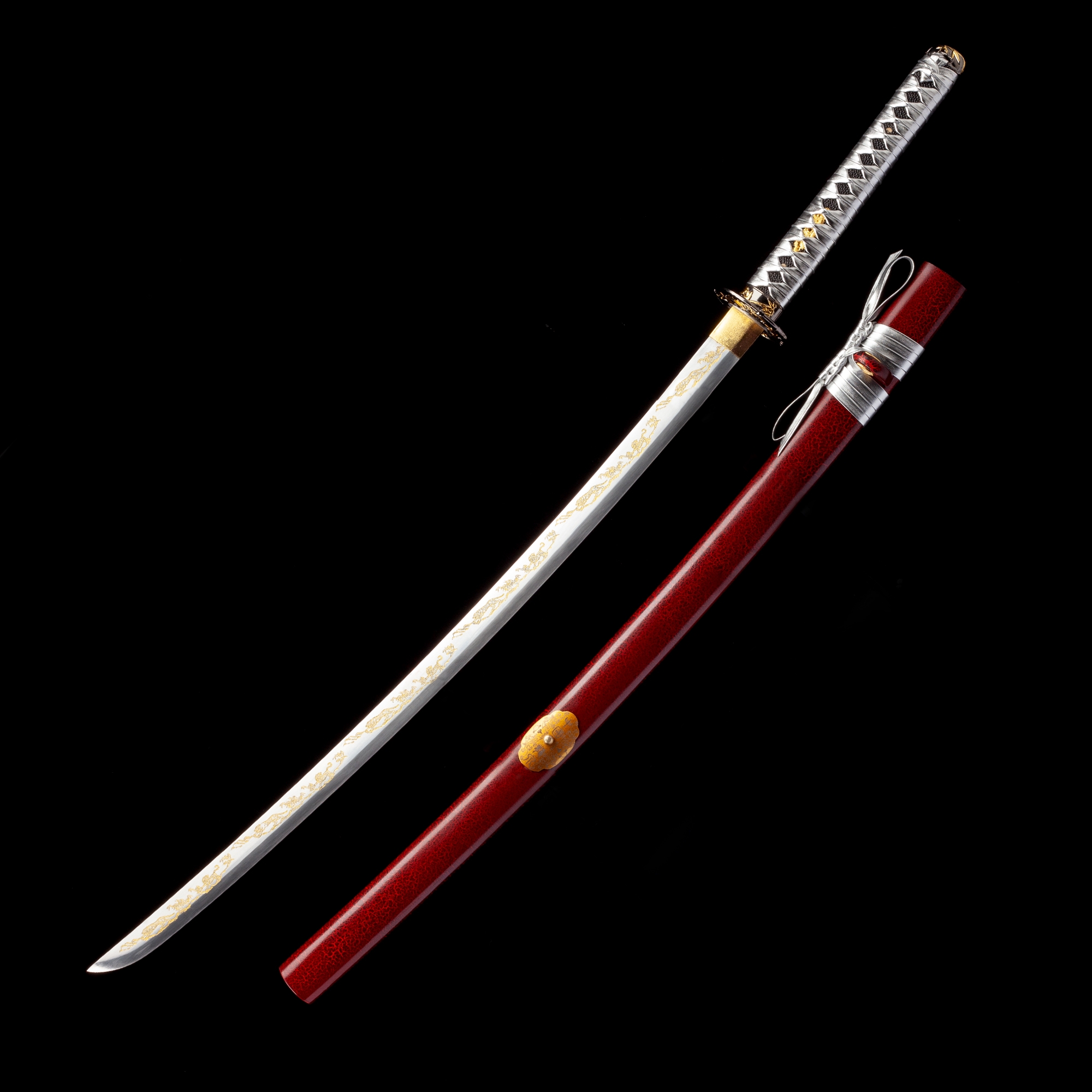
The customer service is excellent and they responded to my inquiries in less than 24 hours, I feel like I have a close friend who makes swords…. With blades of around 3 to 4 ft, longswords struck a balance between larger greatswords and smaller single-handed blades. Their length and versatility allowed techniques for cutting, thrusting, pommeling, and grabbing the blade to trap opponents‘ weapons.
Piercing through the victim’s body, the sword would be much more difficult to recover as the horse moved past, a problem that curved sabers rarely encountered. Sword designs regarding the rapier made the sword incredibly effective and very quick. This specialized course focuses on the forging techniques needed to produce sharp-edged tools of high-carbon steel.
At times, the Wakizashi was used to commit seppuku (ritual suicide). Below you can find information about all available swords for sale on our website, including custom swords and made to order swords from our catalog collection. This image gallery showcases 28 styles of swords from around the world. This non-exhaustive list highlights different methods of swordmaking from throughout history.
Moreover, the cultural significance of short swords has endured, influencing our modern conception of the warrior and the art of combat. With the introduction of steel in the Middle Ages, blades could be made thinner and sharper without compromising their strength. This allowed for the development of versatile cut and thrust swords like the Arming Sword. Today, advanced materials such as carbon fiber and special alloys offer even more possibilities for innovative short sword design. In modern times, technological advancements have led to a shift in the materials used to construct short swords. While steel remains a popular choice due to its strength and durability, other materials such as carbon fiber and various alloys have made their way into sword production.
But the xiphos gained prestige after proving vital in closer phalanx engagements against the Persians. Anyone interested in metalworking can find tutorials online for beginning bladesmithing. While military professionals in Europe and America considered the sword to be a secondary weapon or even a decorative part of their uniforms, the sword did continue to evolve. Ikakalaka blades featured improvised designs and exquisite ornamentation. Tribal leaders carried these blades to remind others of their might. The swords of the Middle Ages would continue to be used by many countries until the modern era.
Their massive size made them superb for breaking pikes, halberds, and spear walls. By the 19th century, the saber gained immense popularity with heavy cavalry and was used during the Napoleonic Wars. The saber is thought to have developed in the 10th century in Hungary. The saber replaced the rapier of the Renaissance and the longsword of the Middle Ages as the main side arm of European soldiers. This style also came to America and was used during the Civil War and other conflicts. The development of bronze metallurgy also reached Spain, Italy, Greece, Britain, and Scandinavia.
I am making my first sword and can find very little about the process. I keep reading about areas of balance and different points of taper and am lost. The process of making a sword seems very different than that of making a knife. Master Blacksmith Tony Swatton is a self-educated blacksmith who started making his own armor at the age of 17. Nine years later, he opened his first shop, where he made products for Euro Disney and Michael Jackson.
The pervasive ideas behind sword design are dominated by the need to either slash or to stab. The vast majority of swords employed designs that functioned as both cutting and thrusting weapons, but in varying degrees of each. This became known as the “Golden era” of Japanese bladesmithing, as they became quick to develop new technology and mastery around swordsmithing out of the necessity of defense. Short swords also feature prominently in literature, from historical novels to fantasy epics. They're often bestowed upon heroes as symbols of their journey, representing their courage and commitment to their cause.
It was used in the 16th century primarily by the German Landsknechte, who were elite mercenaries. En masse, the swords were used in conjunction with pike formations and also used to defeat pike formations. At first glance, this sword may seem like an impossibly large and ambitious weapon that would have been very difficult to employ effectively. In truth, however, the Zweihänder was actually a very graceful weapon as it represented a crossover between polearms and swords, and it was used as such. Before you take Bladesmithing, The Crucible requires you to take Blacksmithing II, or possess the equivalent knowledge learned in this class. With a fine file and whetstone carefully sharpen your sword blade until you are satisfied.


No comments:
Post a Comment